Born: 1986, Bosnia and Herzegovina
Profession: Documentary photographer
Lives and works: Novi Sad, Serbia
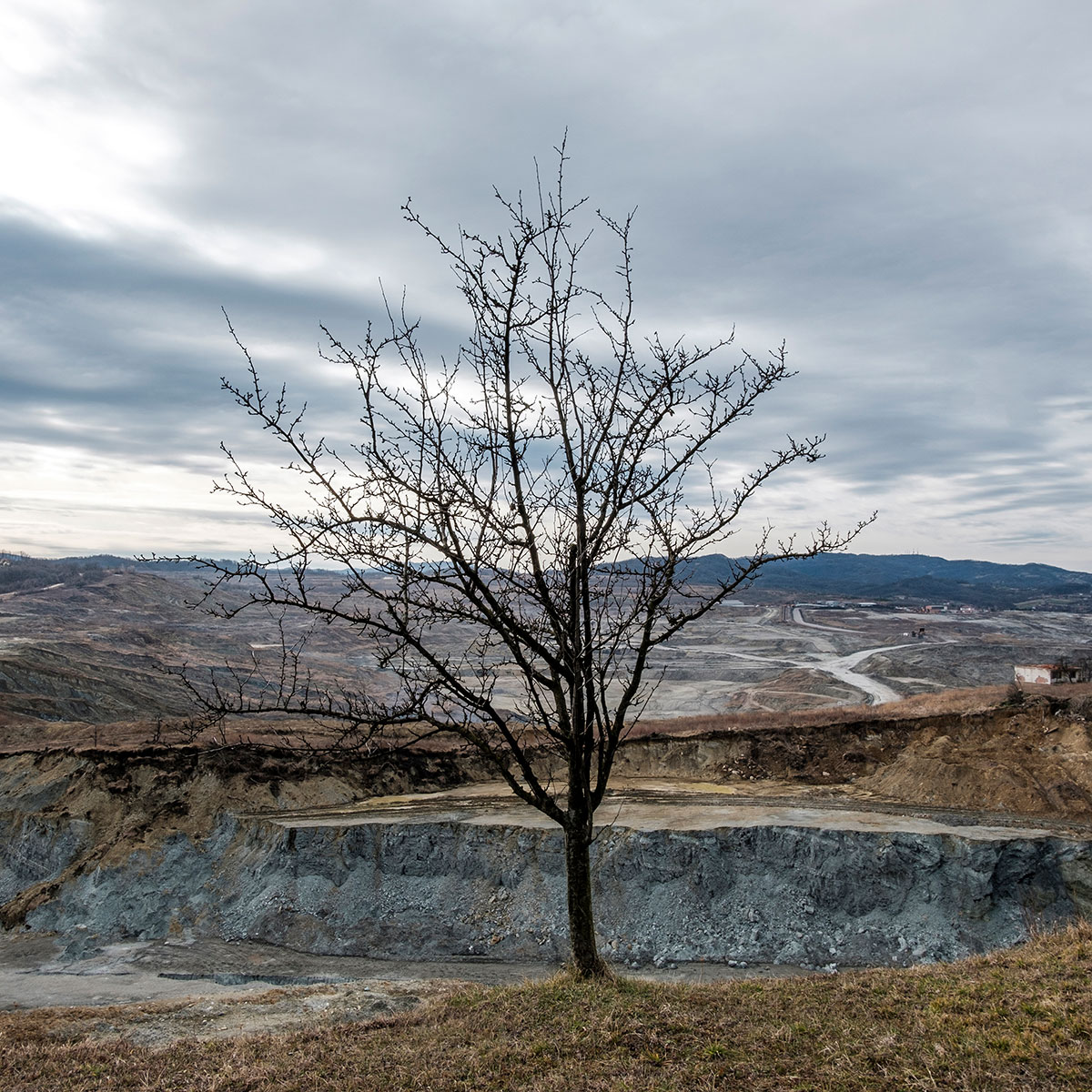
The very name – Ugljevik (derived from the Serbian word for coal) clearly defines a town built next to a mine. Envisaged as a “perfect place,” where everyone would have the same home, the same job, and the same standard of living—in other words, where all would be equally happy and prosperous. Communist idealism and socialist practice.
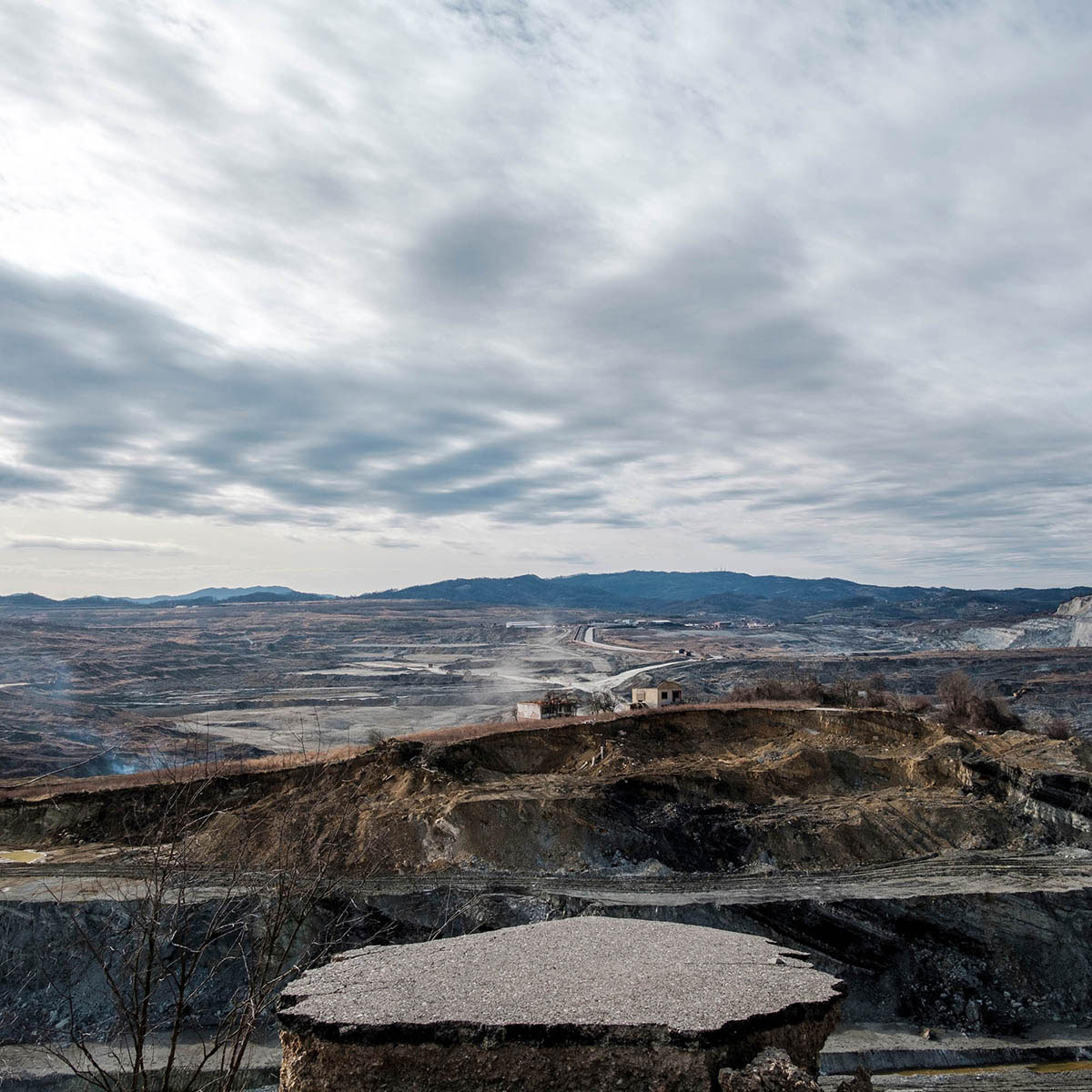
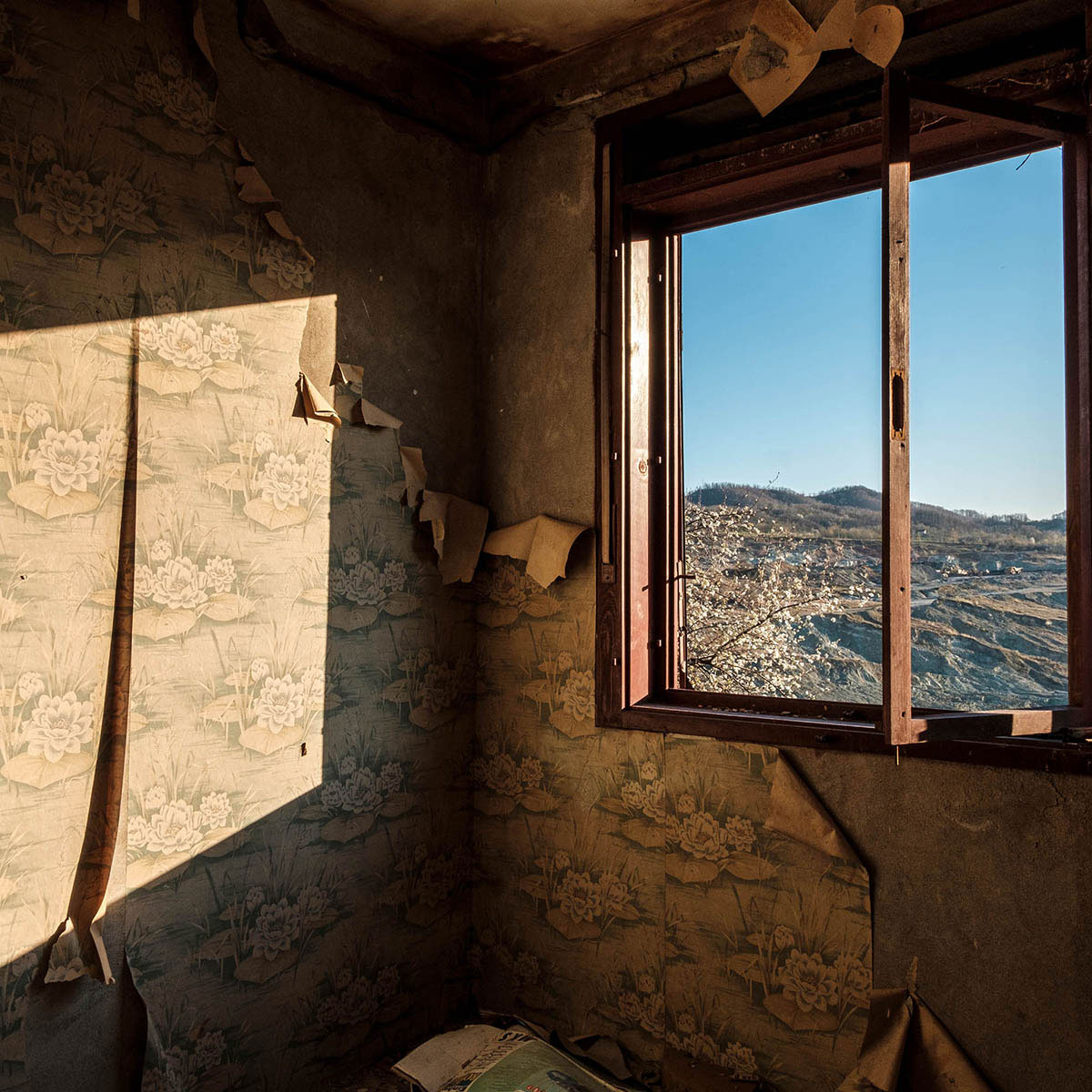
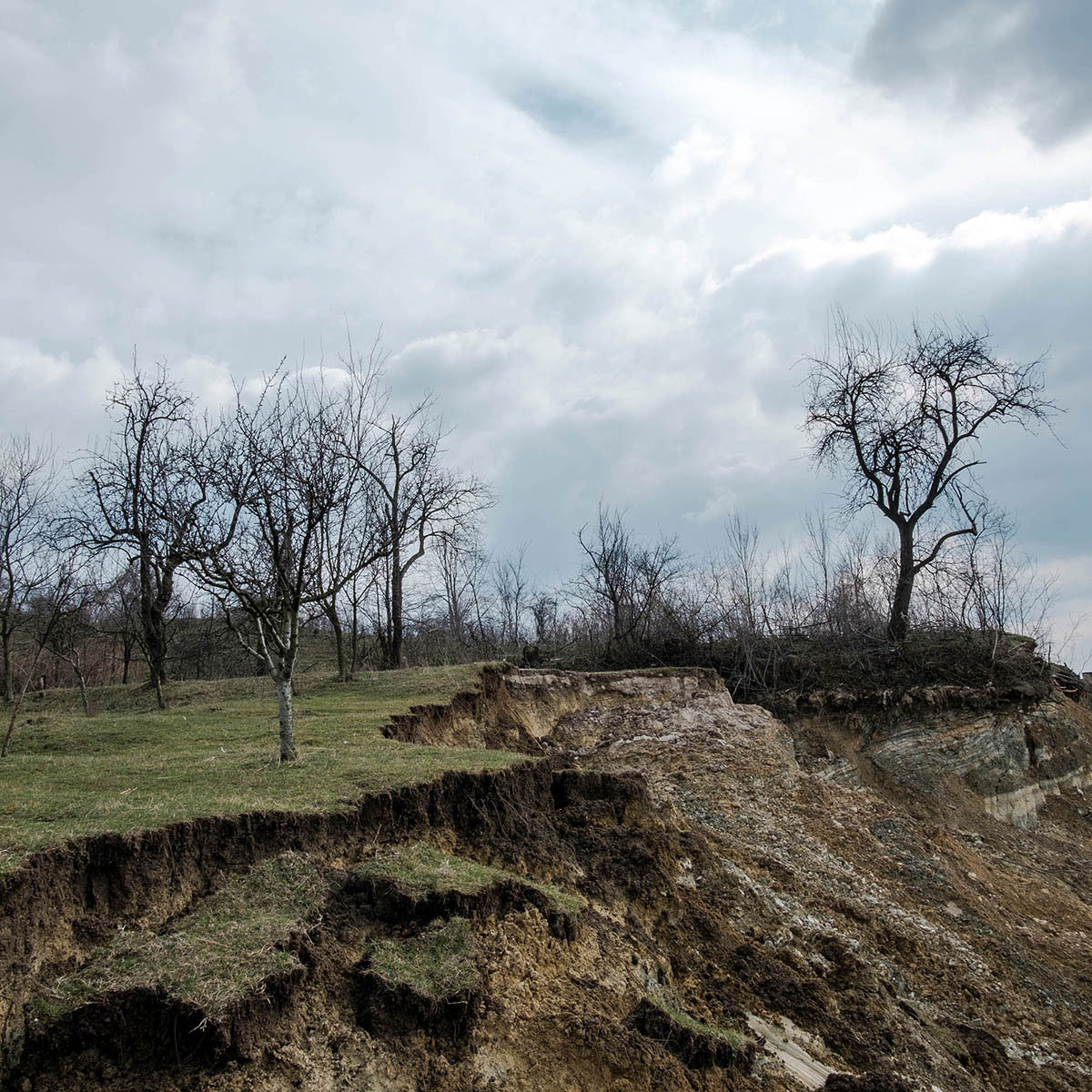
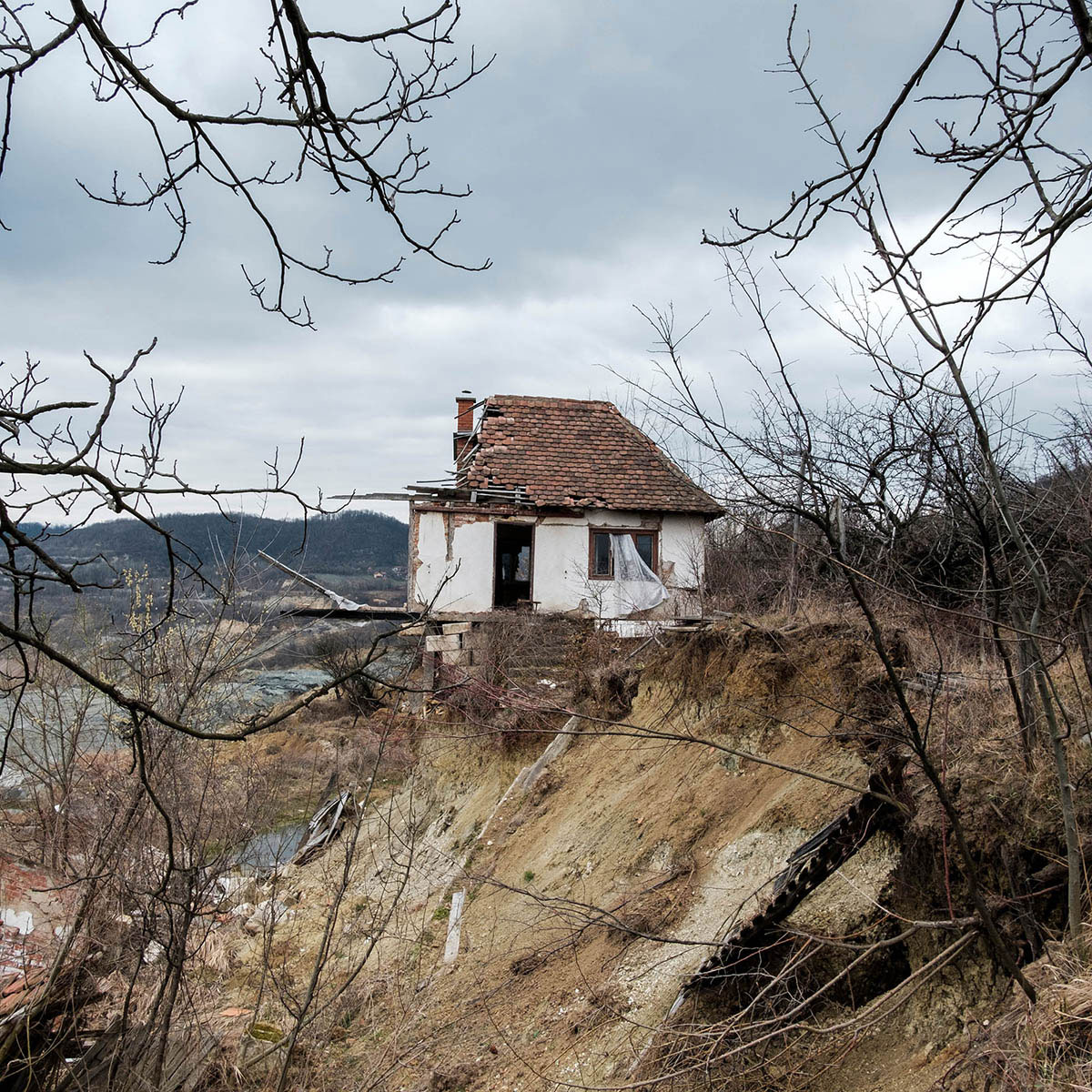
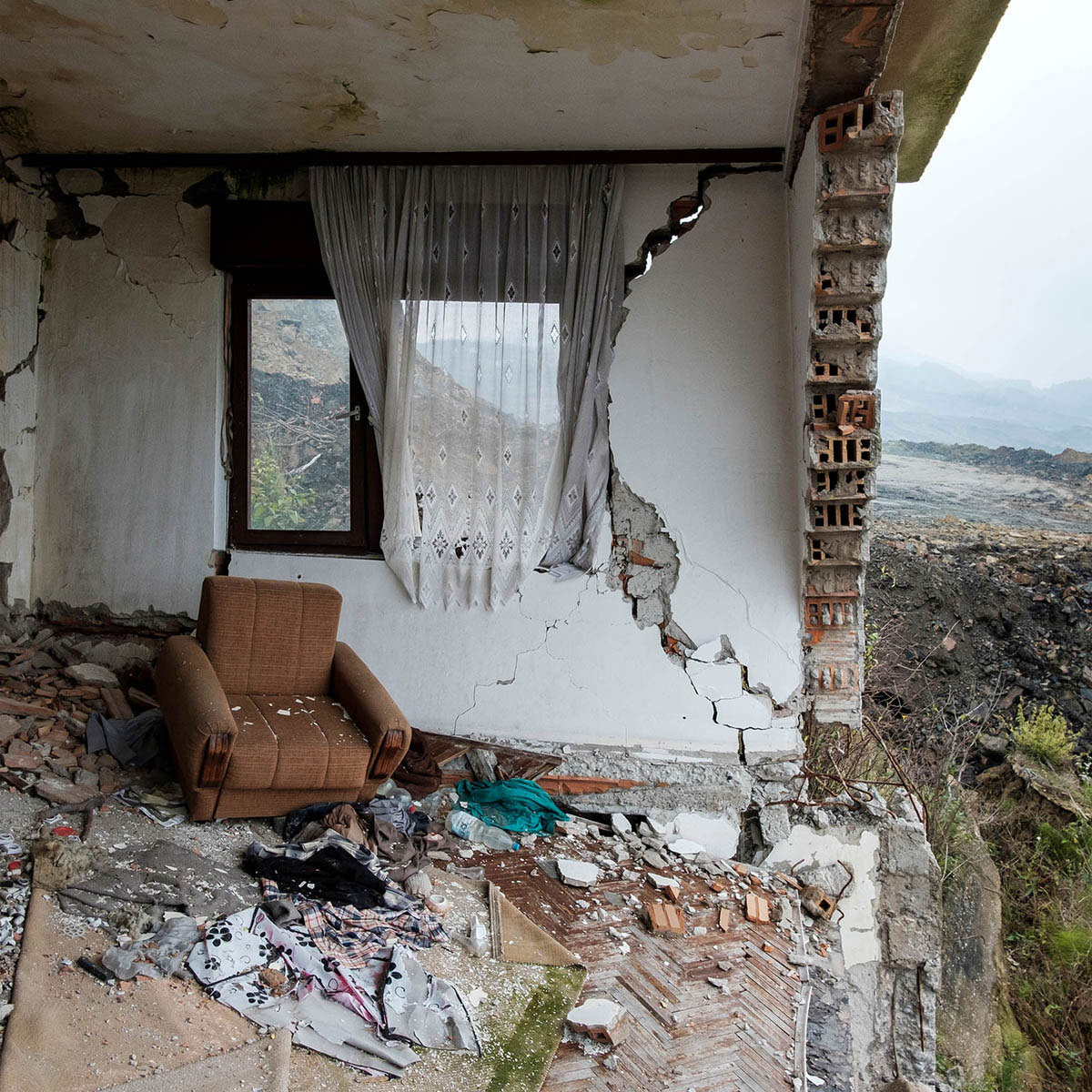
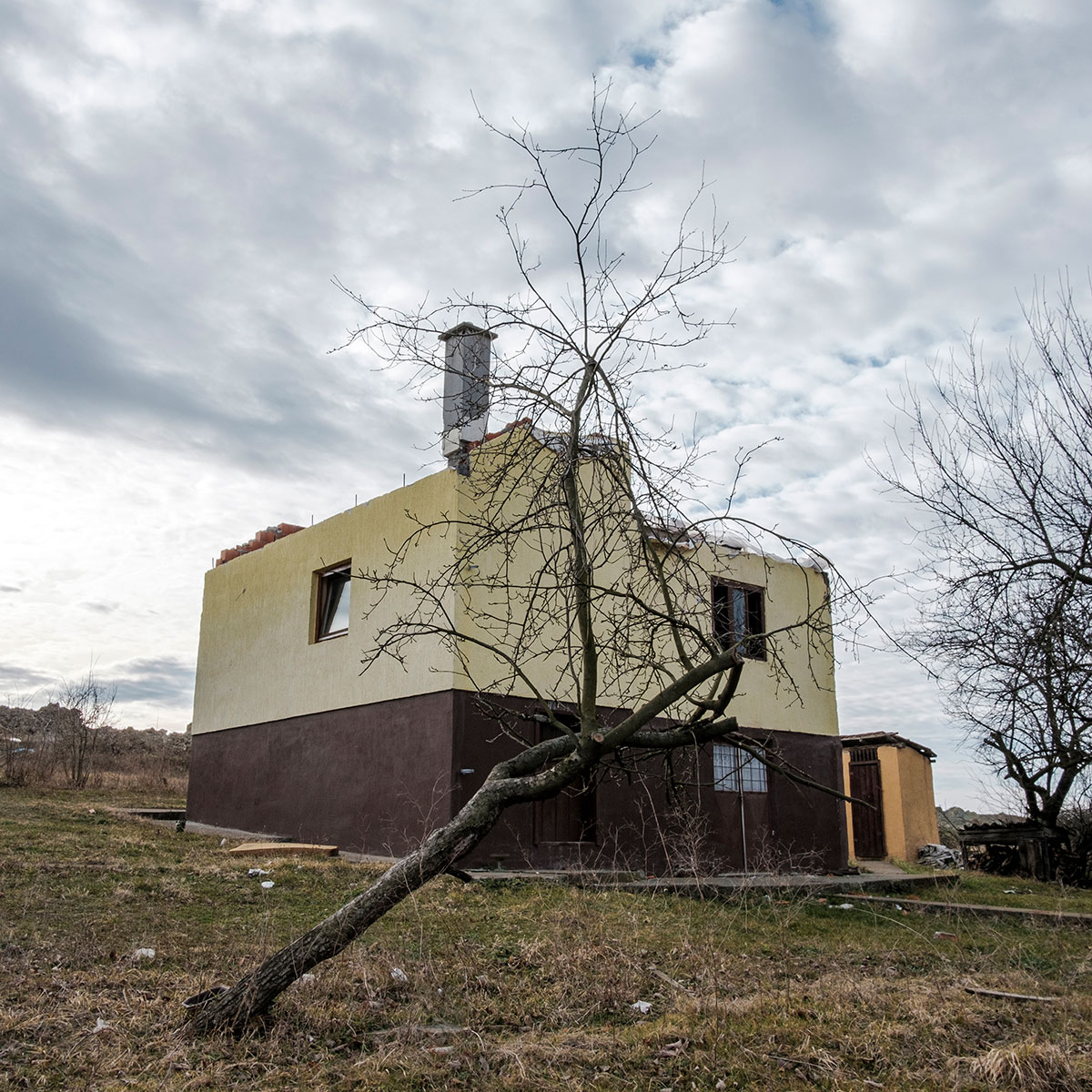
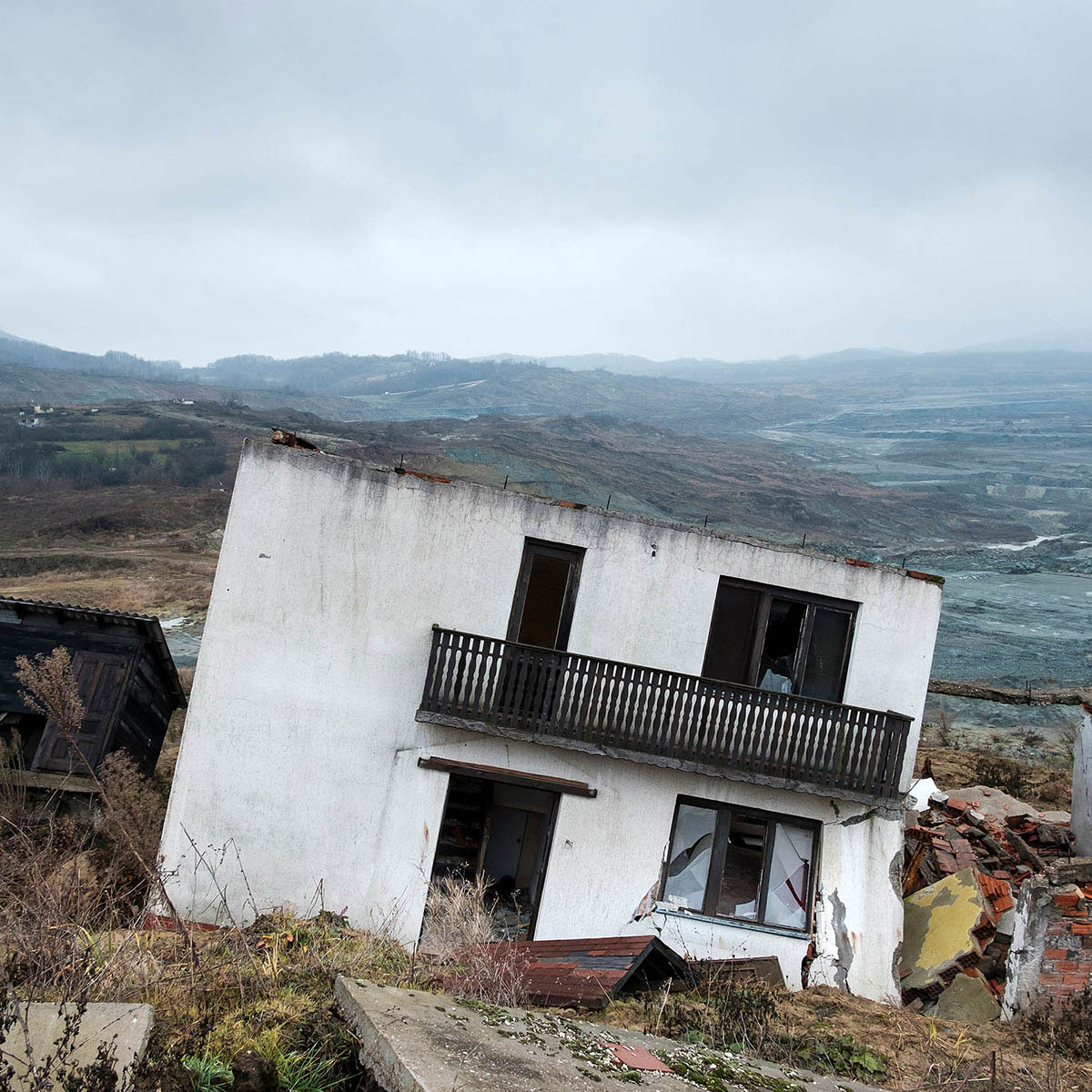
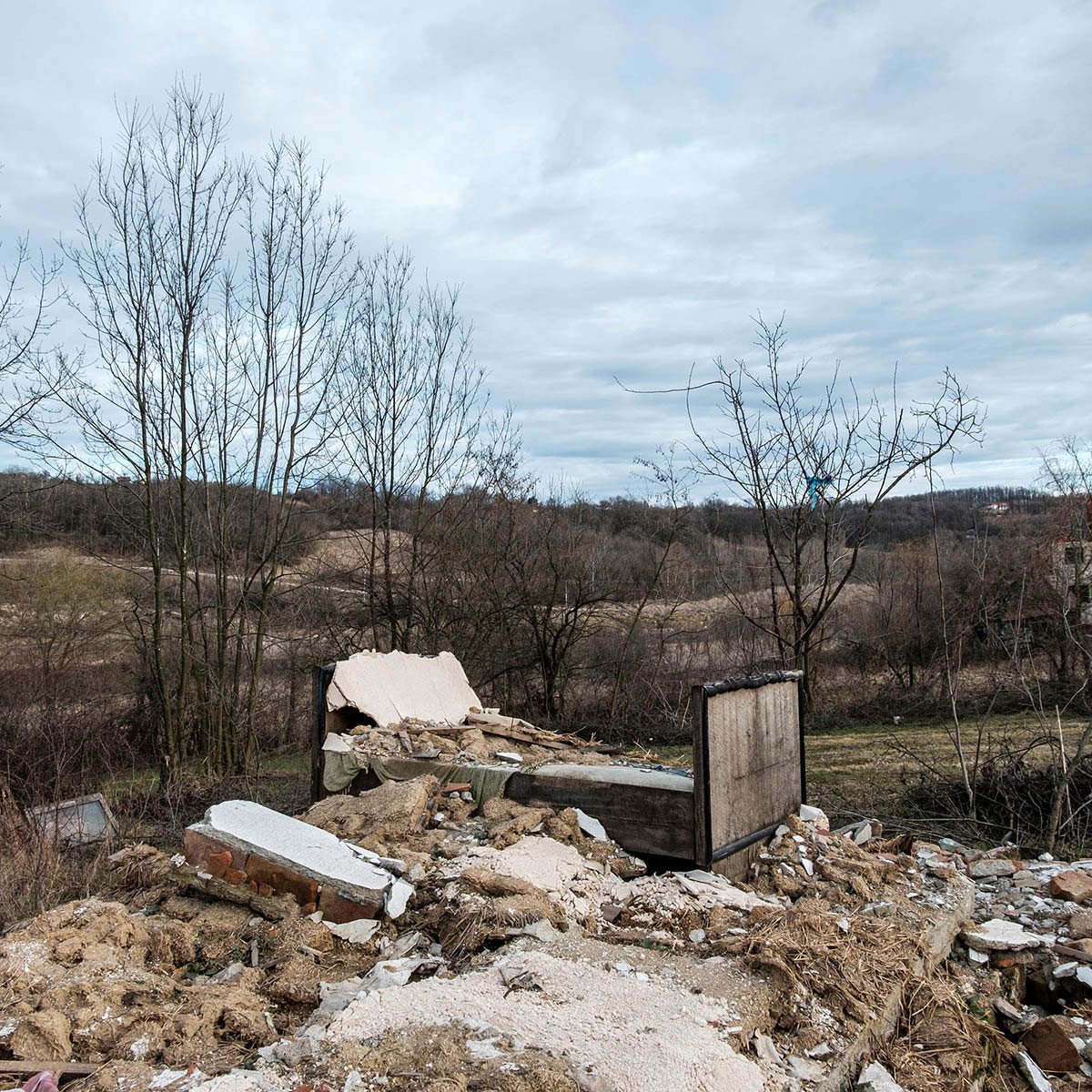
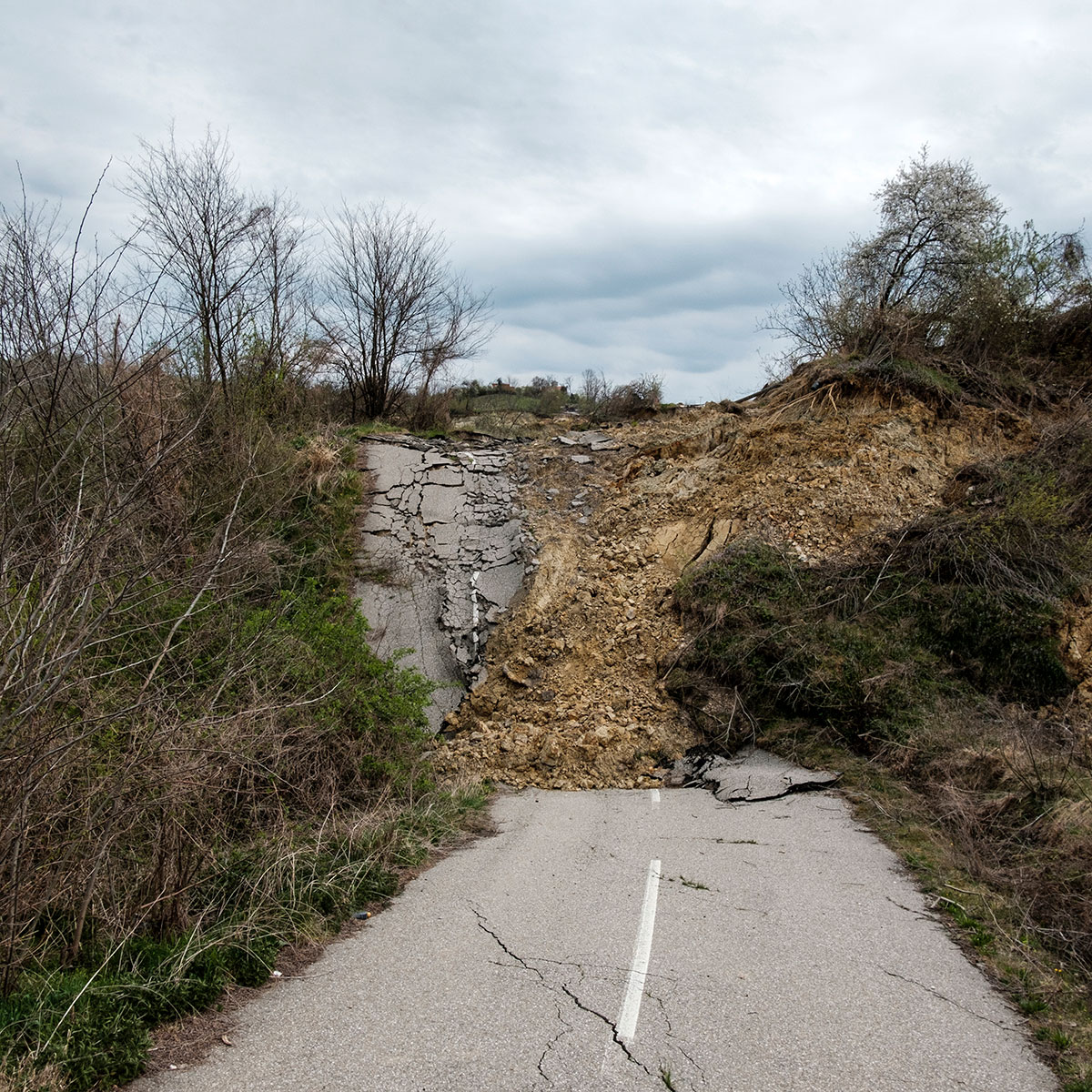
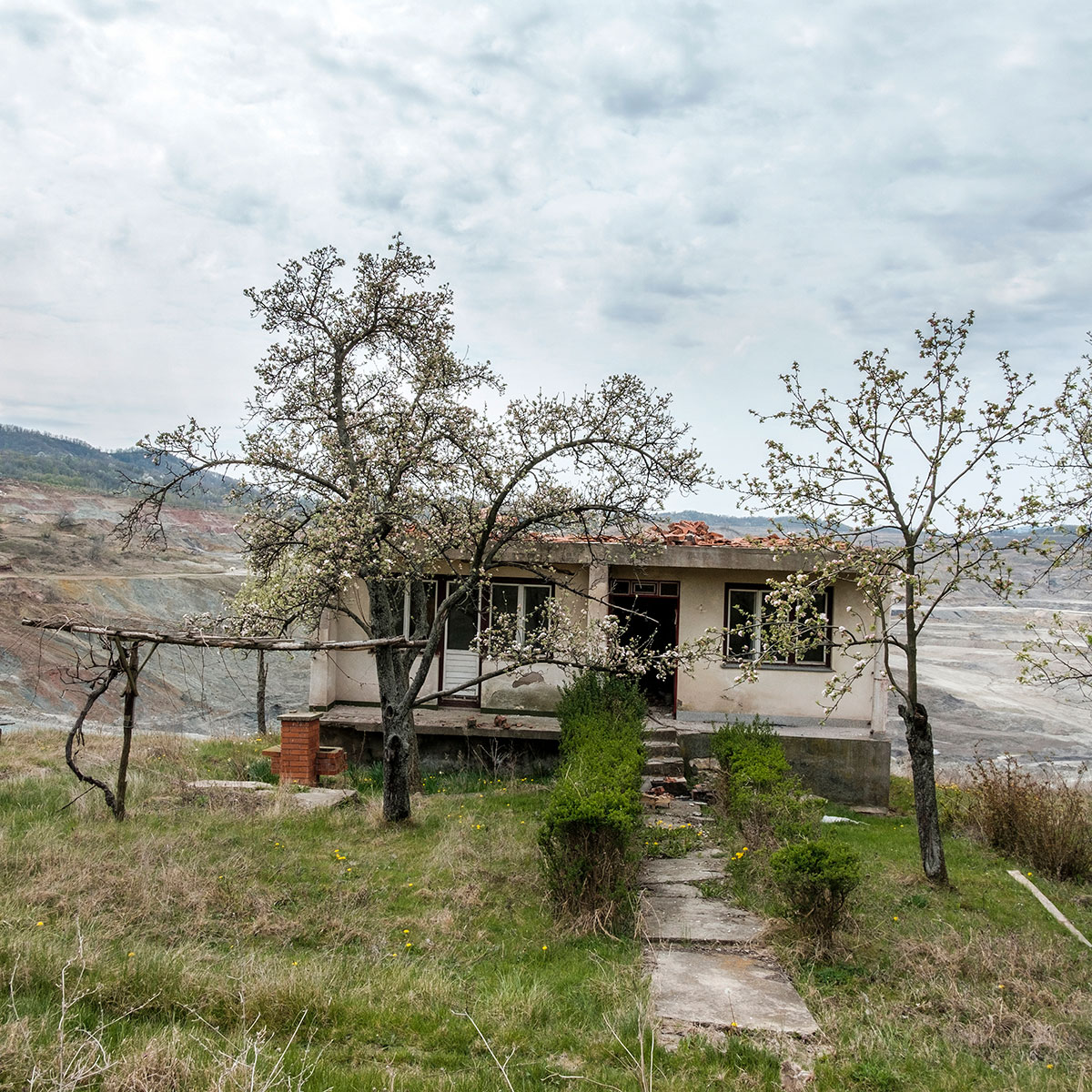
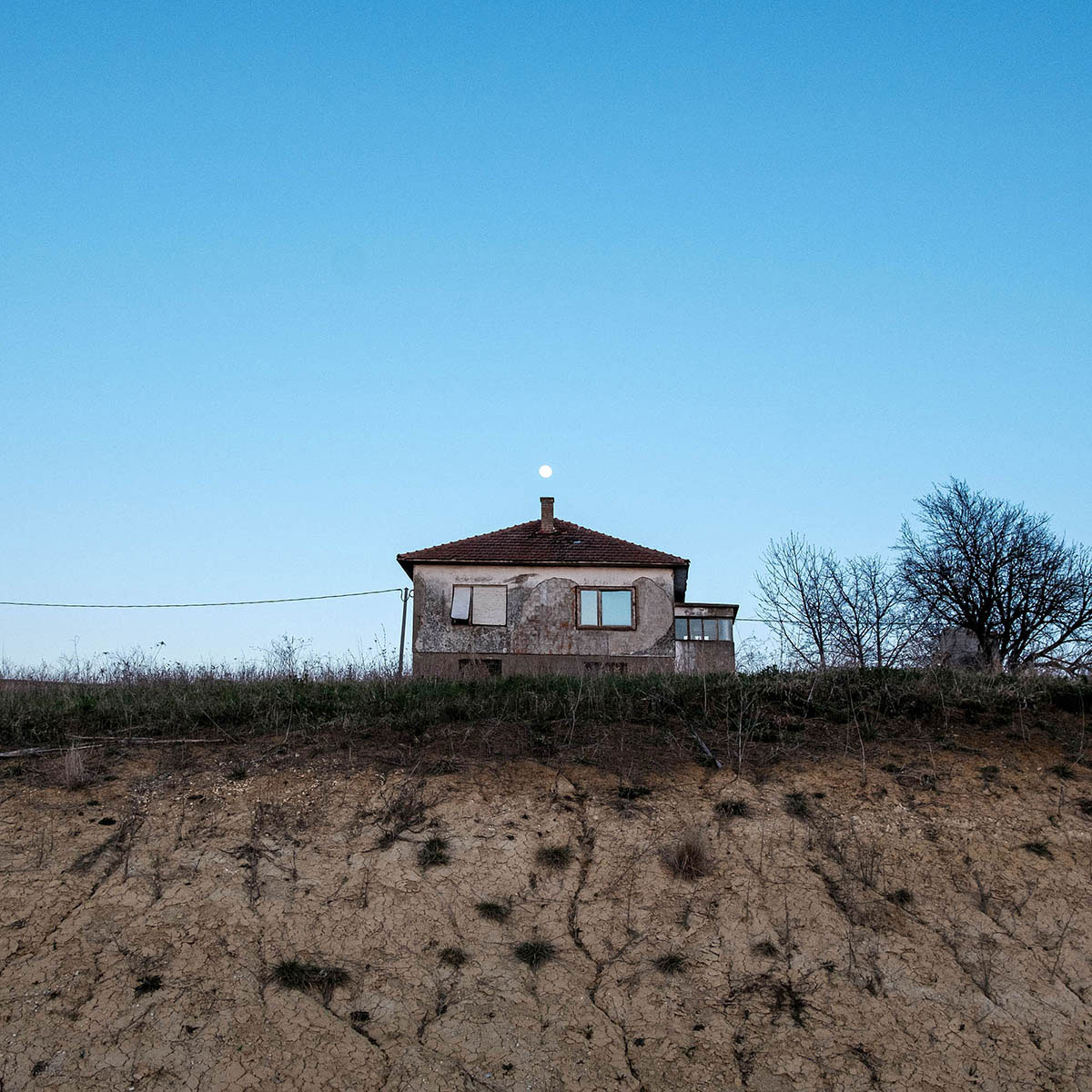
For a while, it seemed to work well; everything seemed possible. But reality always arrives suddenly and without warning, ready to destroy what seemed solidly built. The Ugljevik power plant, one of the largest producers of electricity in Bosnia and Herzegovina, was put into operation in 1985. To build it, nearly 200 households had to be relocated from nearby villages. Coal is mined in an open pit to meet the needs of the plant. In the past four years, the mine’s expansion has led to the eviction of around 50 more households. A few remaining families still live near the pit.
Former residents still mourn their homeland—their old yards and the land where they grew up.
The mine and the power plant gave us everything we had, and took away everything we had… We are practically the first refugees in Yugoslavia—what was taken from us cannot be compared to anything we will have later.
But more than history, this is a story of constant change—a metaphor for the turbulent lives and fates of the people in this region. A state of continuous exile, of severed roots and denied identity, deeply inscribed in the fragile weave of the “inner landscape” of people who persistently try to anchor themselves in this restless and unpredictable land.